


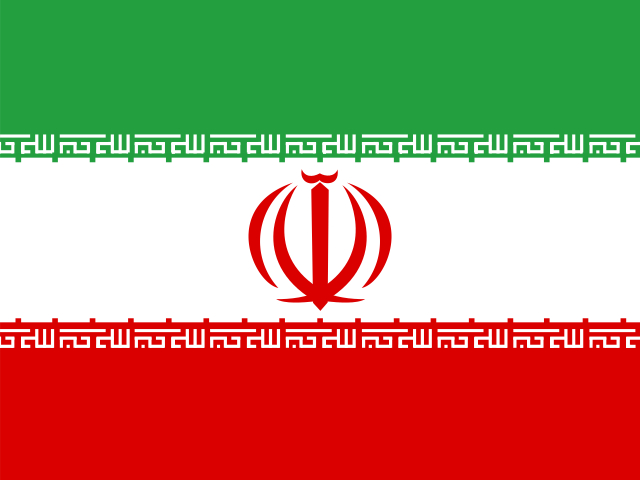
 Iran
Breaking
US intelligence warns Iranian plots against Americans are advanced
A US intelligence memo warns Iranian plots against American personnel abroad have reached advanced stages. Gulf embassies are cutting staff. What we know.

A US intelligence memo has warned that Iran has sharply stepped up efforts to target American personnel overseas, with lethal plots that have reached "advanced stages" in the Middle East and other countries, Axios first reported. The warning has led the US State Department to cut staff at several embassies in the Gulf and the wider region, Al Jazeera and Axios reported.
The unclassified memo, from Director of National Intelligence Jay Clayton to Secretary of State Marco Rubio, says Iran has "substantially increased efforts to target US personnel", according to the reports. It does not name specific targets or countries outside the Middle East.
Key points
- A memo from the US Director of National Intelligence warns that Iranian lethal plots against US personnel have reached "advanced stages".
- The plots reportedly extend beyond the Middle East; The New York Times reported Iran had lined up potential targets in Europe.
- The US is reducing staff at embassies in the UAE, Bahrain, Kuwait, Qatar, Jordan and Lebanon, and has pulled non-essential staff from Saudi Arabia.
- US agencies rate Iranian threats to Americans in the region at their highest level since the US-Israel war on Iran began in February.
- Washington has not publicly commented on the memo, and Iran has not responded.
What the memo says
According to Axios, Al Jazeera and The Business Standard of Bangladesh (TBS), which carried the reports:
- Iran has "substantially increased efforts to target US personnel" overseas.
- Iranian lethal plotting against US citizens has reached "advanced stages" in the Middle East and certain other countries.
- The memo does not identify specific targets, describe the plots in detail, or name the countries outside the Middle East where Americans could be at risk.
The New York Times, citing unnamed US officials, reported that threats against American officials, including ambassadors, had been assessed in recent weeks, that Iran had lined up potential targets in Europe, and that some intelligence suggested Iranian operatives were already active inside the United States, Al Jazeera reported. Another official played down Iran's ability to carry out attacks inside the US.
Embassies cut staff
The State Department has moved to reduce its exposure in the region:
| Country | Action reported |
|---|---|
| Saudi Arabia | Non-essential embassy staff ordered to leave, citing Houthi attacks on Saudi infrastructure |
| UAE, Bahrain, Kuwait, Qatar, Jordan, Lebanon | Staff numbers quietly reduced, according to CNN, as cited by Al Jazeera; Axios also reported cuts tied to the threat |
Separately, the US abruptly withdrew bombers from an airbase in England after a security incident, and UK police arrested several men on suspicion of working with Iranian intelligence, Al Jazeera reported.
How the US protects its staff abroad
When the State Department judges that a threat has risen, it has several tools. It can order an authorised departure, which lets non-essential staff and families leave at government expense if they choose, or an ordered departure, which requires them to leave. It can also quietly reduce staff numbers, limit staff travel, close embassies to the public for some days, or issue security alerts and travel advisories to American citizens. The steps reported this week, an order for non-essential staff to leave Saudi Arabia and quieter cuts elsewhere, suggest Washington is preparing for the threat to last for some time.
Why now
The warning comes at a tense moment in the conflict between the US, Israel and Iran:
| When | What happened |
|---|---|
| 28 February 2026 | The US and Israel begin a war on Iran, codenamed "Epic Fury" |
| April 2026 | A fragile ceasefire is reached |
| Since then | Clashes over the Strait of Hormuz and Iran's nuclear programme; Iran-backed Houthis escalate attacks |
| October 2026 | Reports that Israel planned a new strike that the US blocked before the midterms; Trump says the US "may do another little epic fury" |
| 3 November 2026 | US midterm elections |
Reports say the US and Israel may launch a new military campaign after the US midterm elections, Al Jazeera reported. The Pentagon says 21 US military personnel have been killed in the Middle East since the war began. We reported on Israel's shelved October strike plan here: Israel planned Iran strike, Trump blocked it, FT reports.
Iran's position
Iran has not responded to the memo. But its officials have issued their own warnings this week:
- The Islamic Revolutionary Guard Corps (IRGC) said Iran would adopt a new "offensive" strategy if the US renews attacks, and its spokesman Hossein Mohebbi said Iran's missiles had improved in quality, range and power, Al Jazeera reported.
- Reuters, citing two Iranian security officials, reported plans to target undersea communications cables in the Gulf if new US-Israeli attacks take place.
- Senior official Mohsen Rezaei warned that cables, data centres and technology facilities across the region could be hit if the war resumes.
Past Iranian plots against Americans
Iran has been accused of plotting against US officials before, according to Al Jazeera:
- In 2022, a member of the IRGC was charged in the US with offering $300,000 for the murder of former National Security Adviser John Bolton.
- In March 2026, a Pakistani national was convicted in a US court of plotting, on IRGC orders, to assassinate Donald Trump and other US politicians.
- US intelligence has long warned that Iran seeks revenge for the 2020 US killing of IRGC commander Qassem Soleimani.
What to watch next
- US statements: whether the State Department issues formal travel warnings or orders more departures from embassies.
- The US midterms on 3 November: reports suggest a decision on new strikes against Iran could follow the vote.
- Houthi attacks: further strikes on Saudi Arabia or shipping would raise the risk of a wider conflict.
- Iran's next move: any response from Tehran to the memo, or new threats against Gulf infrastructure.
Why it matters for India
The Gulf is home to millions of Indians, and any escalation affects them directly:
- Indians in the Gulf: Large Indian communities live and work in the UAE, Saudi Arabia, Qatar, Kuwait, Bahrain and Oman. A new phase of conflict could disrupt jobs, flights and remittances.
- Undersea cables: Many of the internet cables that connect India to Europe and the Middle East pass through or near the Gulf and the Red Sea. Threats against Gulf cables could affect internet and financial traffic in the region.
- Energy: India imports a large share of its oil and gas through the Strait of Hormuz. Any new US-Israeli strike on Iran, and Iranian retaliation, could push up prices.
We had not seen any new advisory from Indian missions in the Gulf in response to the memo at the time of writing. Indian nationals in the region should follow local news and their embassy's updates.
The memo names no targets and no dates. But with embassies thinning out and a possible new war weeks away, Washington is clearly treating the threat as real.
Frequently asked questions
What's Your Reaction?
 Like
0
 Dislike
0
 Love
0
 Funny
0
 Wow
0
 Sad
0
 Angry
0





Comments (0)