


Makar Sankranti 2027 date, with Pongal and Lohri dates
Makar Sankranti 2027 is on Friday 15 January by most panchangs, as the Sun enters Capricorn late on the 14th. Lohri, Pongal, Uttarayan and Bihu dates explained.

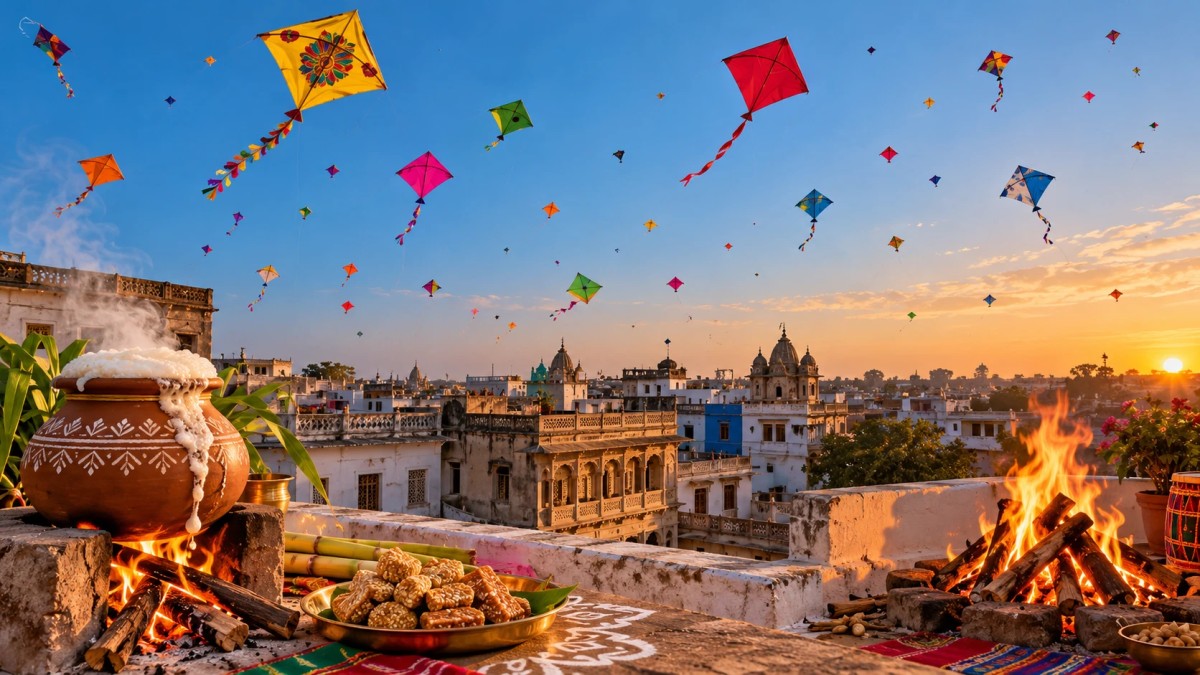
Makar Sankranti 2027 falls on Friday, 15 January, according to most Hindu almanacs (panchangs), including Drik Panchang. The reason is astronomical: the Sun enters Capricorn (Makara) late on the evening of 14 January, after sunset, so the auspicious period for the festival is observed the next morning.
The Union government's restricted holiday list, however, puts Makar Sankranti on Thursday, 14 January. Here is how to read the dates, along with Lohri, Pongal, Uttarayan and Bihu.
Key points
- Makar Sankranti 2027: Friday 15 January by most panchangs; the government's restricted holiday list gives Thursday 14 January.
- The Sun enters Capricorn at about 9:14 PM IST on 14 January.
- Lohri: Thursday 14 January (most calendars).
- Pongal: Bhogi on 14 January, Thai Pongal on 15 January, Mattu Pongal on 16 January.
- Pongal (15 January) is a restricted holiday, shared with Guru Gobind Singh Jayanti.
Makar Sankranti, Pongal and Lohri 2027 dates
| Festival | Region | Date in 2027 |
|---|---|---|
| Lohri | Punjab, Haryana, Delhi, Himachal | Thu 14 Jan |
| Bhogi | Tamil Nadu, Andhra Pradesh, Telangana | Thu 14 Jan |
| Makar Sankranti (Khichdi) | North and central India | Fri 15 Jan (most panchangs) |
| Uttarayan | Gujarat | Around 14 and 15 Jan |
| Thai Pongal | Tamil Nadu | Fri 15 Jan |
| Magh Bihu | Assam | Government list gives 14 Jan; celebrations run over the Sankranti weekend |
| Mattu Pongal | Tamil Nadu | Sat 16 Jan |
| Kaanum Pongal | Tamil Nadu | Sun 17 Jan |
One calendar places Lohri and Bhogi on 13 January. Most place them on the 14th, the eve of Sankranti.
Why Makar Sankranti is on 15 January in 2027
Unlike most Hindu festivals, which follow the moon, Makar Sankranti follows the Sun. It marks the moment the Sun moves into the zodiac sign of Capricorn, which is why it falls on almost the same Western date every year, on 14 or 15 January.
In 2027, that moment (the Sankranti) comes at about 9:14 PM IST on 14 January, according to one almanac. Hindu tradition holds that when the Sankranti happens after sunset, the holy period for bathing, charity and prayer, called punya kaal, is observed the next day. So most panchangs mark the festival on 15 January.
For New Delhi, two calendars give the punya kaal on 15 January as starting at about 7:15 AM. Timings differ by city; Drik Panchang, for example, gives about 6:37 AM to 5:20 PM for Patna.
The government's list was issued earlier and follows the 14 January date. For central government staff, Makar Sankranti is a restricted holiday, so you can choose whether to take it.
Over the decades, Makar Sankranti has slowly shifted later in January, which is why it now falls on 15 January more often than in the past.
What each festival means
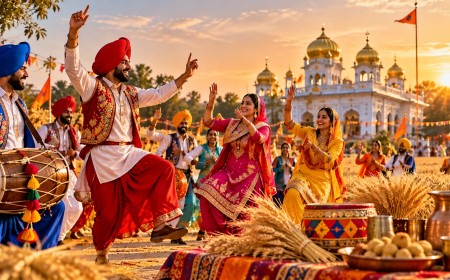
Lohri (14 January): The Punjabi winter festival, celebrated around a bonfire on the evening before Sankranti. Families throw sesame seeds, popcorn, peanuts and rewri into the fire, sing folk songs and dance bhangra and gidda. Lohri is especially big for families celebrating a first Lohri after a wedding or the birth of a child.
Makar Sankranti (15 January): Marks the Sun's journey northwards (Uttarayan) and the end of the coldest part of winter. People take a holy dip in rivers, give charity, and eat sesame (til) and jaggery (gud) sweets. In Uttar Pradesh and Bihar the day is called Khichdi, after the dish cooked and offered that day. Large crowds gather for river bathing at Prayagraj and at the Ganga Sagar Mela in West Bengal.
Uttarayan (Gujarat): Gujarat celebrates with kite flying from every rooftop, from dawn to dusk, along with undhiyu and chikki. The skies over Ahmedabad and Surat fill with kites for two days.
Pongal (Tamil Nadu, 14 to 17 January): A four-day harvest festival:
- Bhogi (14 January): Old things are discarded and burned in a bonfire, marking a fresh start.
- Thai Pongal (15 January): The main day, when rice is boiled with milk and jaggery in a new pot until it overflows, a sign of plenty, and offered to the Sun.
- Mattu Pongal (16 January): Cattle are bathed, decorated and honoured for their work on the farm.
- Kaanum Pongal (17 January): A day for family outings and visits.
Magh Bihu (Assam): Also called Bhogali Bihu, the harvest festival of feasting. The night before, families build temporary huts called meji and bhelaghar and hold community feasts, then burn the meji the next morning.
Sankranti in Maharashtra: Families exchange til-gul, sweets of sesame and jaggery, with the greeting "til-gul ghya, god god bola" ("take this sweet and speak sweetly"). Married women host haldi-kumkum gatherings through the following weeks, and many wear black clothes, which is considered warming in winter.
Sankranti in the south: Andhra Pradesh and Telangana celebrate a three-day Sankranti with Bhogi, Sankranti and Kanuma, while in Karnataka families exchange ellu bella, a mix of sesame, jaggery, coconut and peanuts.
Food of the season
The January harvest festivals share a menu built on sesame, jaggery and new rice:
- Til ladoo and chikki across north and west India.
- Rewri and gajak for Lohri.
- Sweet and savoury pongal in Tamil Nadu.
- Undhiyu in Gujarat.
- Pitha and laru for Bihu.
- Khichdi in Uttar Pradesh and Bihar.
- Ellu bella in Karnataka and til-gul in Maharashtra.
Most of these are made with sesame and jaggery because both are believed to keep the body warm in the cold weeks of January.
Planning for Sankranti 2027
- A long weekend: With Lohri on Thursday, Sankranti and Pongal on Friday, and Mattu Pongal on Saturday, many people in north and south India will get a long weekend from 14 to 17 January.
- Travel to Tamil Nadu: Pongal is the busiest travel season of the year in Tamil Nadu. Book trains and buses out of Chennai early.
- Kite safety: Use plain cotton thread. The National Green Tribunal banned glass-coated and synthetic manja in 2017 because it has injured and killed people and birds, and police in many cities still run drives against it before Sankranti.
- Winter fog: January fog in north India often delays trains and flights around Lohri and Sankranti. Allow extra time.
Sankranti and Pongal for Indians abroad
Indian communities in the US, UK, Canada, Singapore, Malaysia and the Gulf celebrate Pongal, Lohri and Sankranti, usually on the weekend of 16 and 17 January in 2027. Tamil associations abroad often hold community Pongal events with the traditional pot, and gurdwaras and Punjabi associations host Lohri bonfires where local rules allow. Check with your local temple, gurdwara or community group for dates.
See every festival of the year in our full festival calendar for 2027.
Whether you light a Lohri fire, boil the first pongal or fly a kite from the rooftop, the year's first big festival weekend runs from 14 to 17 January 2027. Wrap up warm, and enjoy the sweets.
Frequently asked questions
What's Your Reaction?
 Like
0
 Dislike
0
 Love
0
 Funny
0
 Wow
0
 Sad
0
 Angry
0






Comments (0)